
For patients with gum disease, healthy gums matter more than the choice between an implant and a bridge.
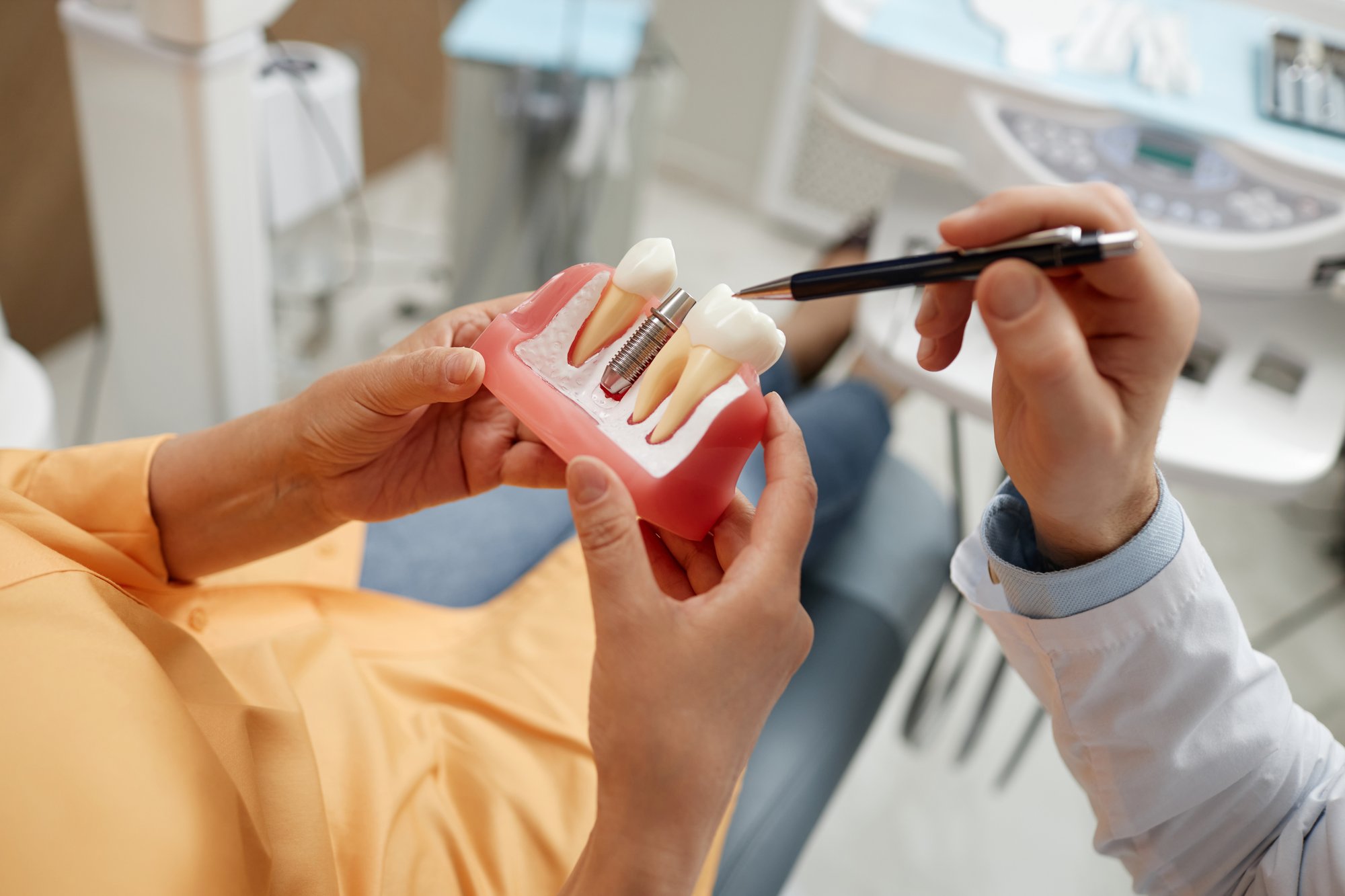
Missing a tooth and torn between an implant and a bridge, especially with gum disease in the picture? Both can rebuild a smile, but gum health changes the math in important ways. The choice of dental implants vs. bridges often depends on the condition of your gums and the bone beneath them. A dental implant is a titanium post placed in the jaw that fuses with the bone to support a replacement tooth, while a bridge anchors a false tooth to the teeth on either side. For anyone weighing dental implants, understanding how gum disease affects each option is the place to start.
Key Takeaways
- Gum disease needs to be treated and controlled before either an implant or a bridge is placed.
- Dental implants replace a tooth without relying on the neighboring teeth for support.
- A bridge is faster and needs no surgery, but it depends on healthy anchor teeth.
- Implants can develop gum infections too, so ongoing cleaning and checkups are essential.
- The healthier your gums and bone, the more likely an implant is to succeed long-term.
How Does Gum Disease Affect Your Options?
Gum disease is the deciding factor for many people. It attacks the gums and the bone that hold teeth in place, and both an implant and a bridge need that foundation to be sound. Active infection has to be treated first, whether the plan is an implant or a bridge, or the restoration is likely to fail. Once the disease is under control, a dentist can assess how much healthy bone and gum tissue remain. That assessment usually points clearly toward one option or the other.
What Are the Advantages of a Dental Implant?
Implants stand out because they replace a tooth from the root up. Since an implant is anchored in the jaw, it doesn’t depend on the neighboring teeth, and it stimulates the bone the way a natural root does, helping prevent the bone loss that follows a missing tooth. That independence is valuable when nearby teeth are already weakened by gum disease and might not support a bridge. Implants are also straightforward to clean, because you brush and floss around them just like natural teeth. The trade-off is that they require enough healthy bone and a healing period after surgery.
Are There Risks With Implants and Gum Disease?
Yes, and this is where care matters most. According to the American Academy of Periodontology, implants can develop peri-implant diseases, inflammatory conditions much like gum disease, with red or tender gums and bleeding around the implant. A prior history of gum disease, smoking, and diabetes all raise that risk. The reassuring part is that these problems are largely preventable with daily cleaning and regular professional checkups. Anyone who has had gum disease can still be a strong implant candidate, as long as the condition is managed and monitored.
When Might a Bridge Be the Better Choice?
A bridge still has real advantages in the right situation. It avoids surgery, costs less up front, and can be completed in a couple of weeks rather than several months. For someone whose anchor teeth are healthy but whose bone has been reduced by gum disease, a bridge can be the more practical path. The catch is that the supporting teeth must be strong, since they take on extra work over time. A bridge also doesn’t stimulate the bone underneath, so some gradual bone loss can continue.
Which Option Lasts Longer?
Durability often tips the scales toward implants. A well-cared-for implant can last decades, sometimes a lifetime, while a bridge typically needs replacement every ten to fifteen years. Gum disease shortens the life of both if it isn’t controlled, which is why maintenance matters as much as the initial choice. Implants ask for more time and healing up front but tend to reward it with longevity. A bridge delivers a faster result that may need renewing sooner.
How Do You Protect Either Choice From Gum Disease?
Whichever route you take, aftercare decides how long it lasts. Daily brushing and flossing, including cleaning under a bridge or around an implant, keep the bacteria that drive gum disease in check. Professional cleanings and periodontal checkups let a dentist catch inflammation early, before it threatens the restoration or the bone. Quitting smoking and managing conditions like diabetes further lower the risk for both options. For someone with a history of gum disease, this ongoing care is what turns either an implant or a bridge into a lasting success.
Choosing the Right Path for Your Smile
In the choice between dental implants vs. bridges for patients with gum disease, healthy gums come first, and the best option follows from there. Implants offer independence, bone support, and long life, while bridges offer speed, a lower upfront cost, and no surgery. With gum disease treated and kept in check, dental implants are often the more durable answer, though a bridge can be the right fit in the right mouth.
- If you want to learn more about dental implants vs. bridges, visit our Dental Implants in Encinitas, CA, page or schedule a consultation.