
Save Your Natural Tooth
Root canal treatment allows you to keep your natural tooth, avoiding the need for extraction.
Accepting New Patients
Worried a damaged tooth might need to be pulled? Save your natural tooth and eliminate pain with modern root canal treatment in Encinitas, CA. At All Smiles Dental Studio, we use advanced techniques to make this tooth-saving procedure comfortable and effective, helping you maintain a healthy smile for years to come.
17+ Years
Of Experience
Same-Day
Emergency Care
Most Plans
Insurance Accepted
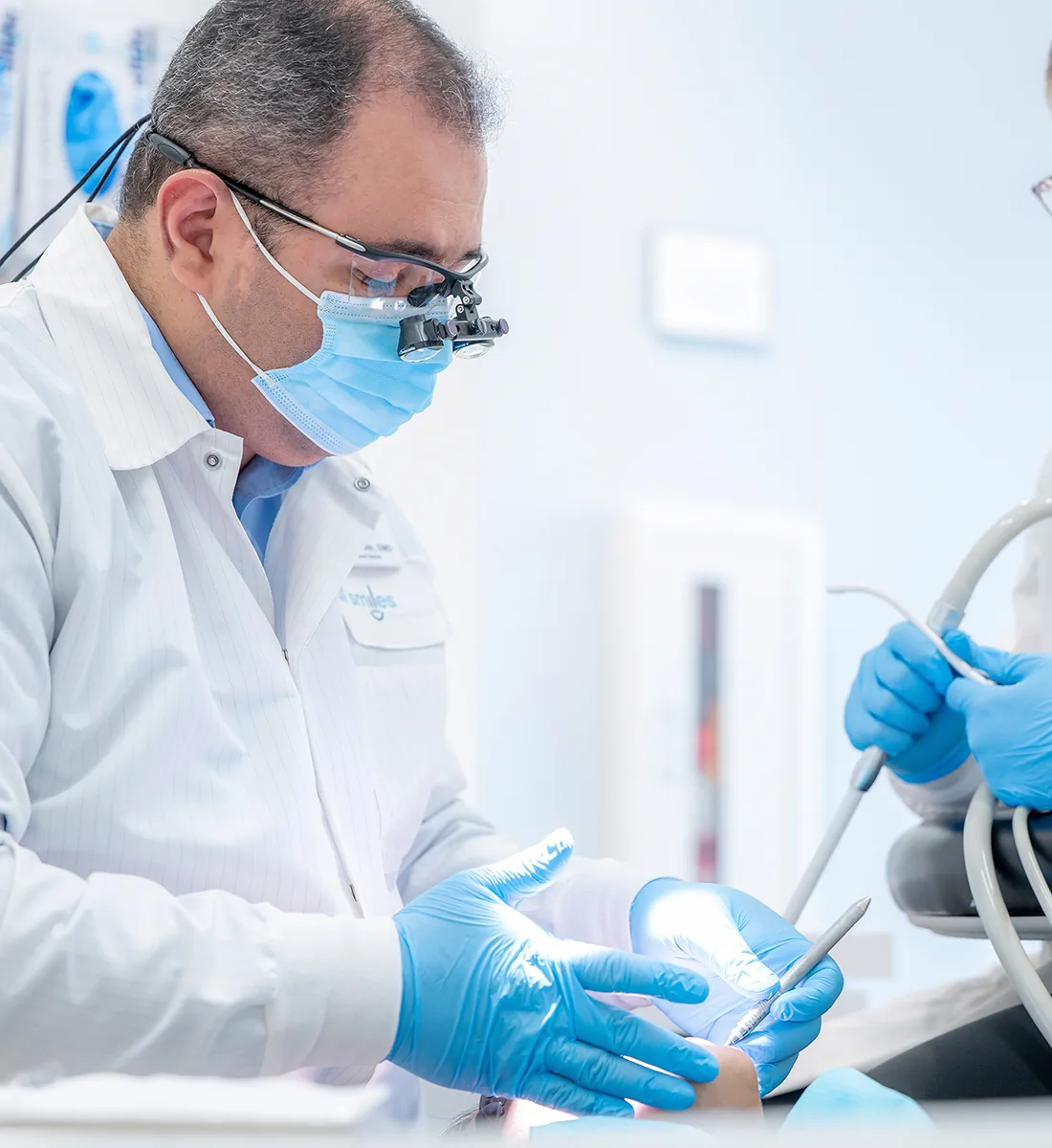
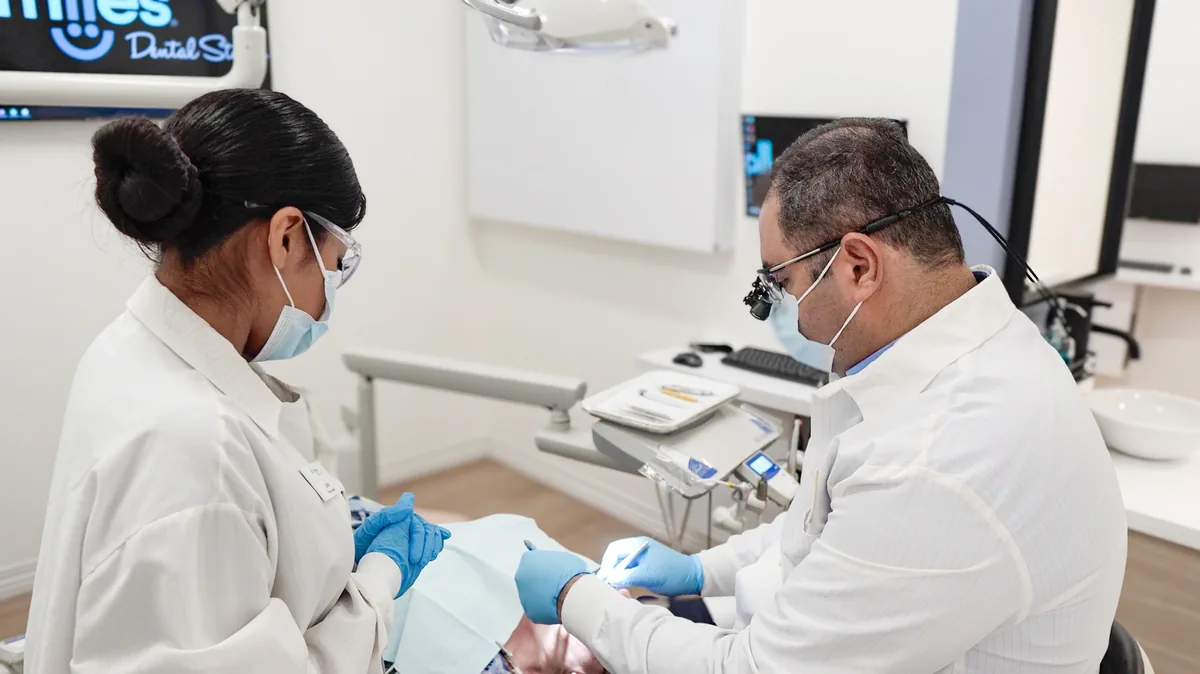
Root canal treatment, also known as endodontic therapy, is a procedure used to save a tooth that is severely decayed or infected. Inside your tooth is a soft tissue called the pulp, which contains nerves and blood vessels. When the pulp becomes infected or inflamed due to deep decay, trauma, or repeated dental procedures, root canal treatment is necessary to remove the infected tissue and preserve the tooth.
Root canal treatment allows you to keep your natural tooth, avoiding the need for extraction.
By removing the infected pulp, root canal treatment eliminates the source of pain and discomfort.
Treating the infection prevents it from spreading to surrounding teeth and bone.
After root canal treatment, the tooth can be restored with a crown to regain its full function.
From your first exam to the final result, here's exactly what to expect — calm, clear, and never rushed.
Request an AppointmentDr. Shahrokh examines your tooth, often using X-rays, to assess the extent of the damage or infection.
The area is numbed to ensure a pain-free procedure.
The infected or damaged pulp is carefully removed, and the canals are cleaned and disinfected.
The cleaned canals are filled with a biocompatible material and sealed to prevent reinfection.
In most cases, a dental crown is placed on the treated tooth to restore its strength and appearance.
A severe toothache, especially when chewing or applying pressure, can signal an infection deep within the tooth.
Sensitivity to hot or cold that lingers well after the source is gone often points to damaged tissue inside the tooth.
Swelling or tenderness in the gums around a tooth can be a sign of infection that needs prompt evaluation.
A tooth that darkens or changes color may indicate the inner tissue has been damaged and requires treatment.
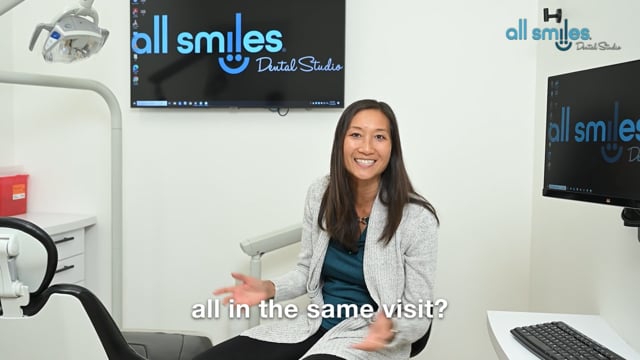

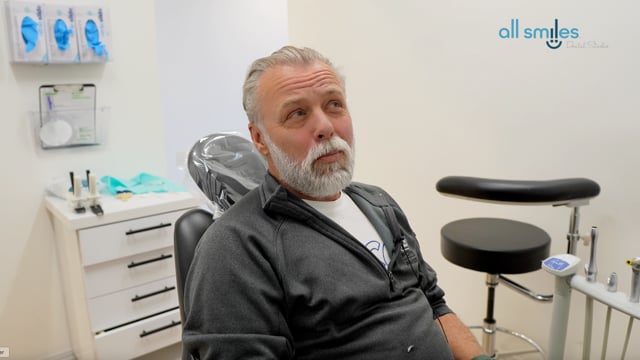

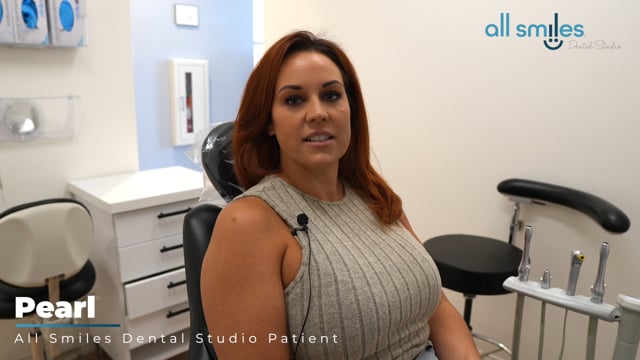
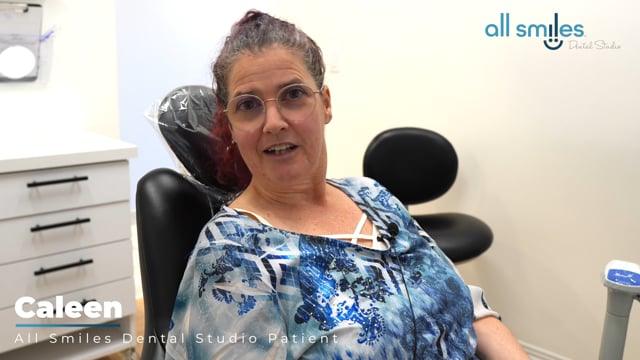

Our patients return year after year for calm, unhurried care and honest, personalized guidance.
We go above and beyond to make root canal treatment feel calm and effortless — pairing the latest technology with a gentle, unhurried approach designed entirely around you.
Here are just a few reasons our patients love us:

Don't see the answer you're looking for? Call us at (760) 232-8878.
Most root canal treatments can be completed in just one to two appointments, depending on the tooth and the extent of the infection. Dr. Shahrokh will let you know exactly what to expect during your consultation so you can plan with confidence.
Yes, most dental insurance plans cover a portion of root canal treatment, since it's considered a necessary restorative procedure. Our team will gladly verify your benefits, file your claim, and explain your coverage so there are no surprises along the way.
The cost of root canal treatment varies depending on the tooth being treated and the complexity of the procedure. At All Smiles Dental Studio, we'll provide a clear, upfront estimate at your consultation and review your insurance benefits or financing options to make treatment as affordable as possible.
Call our office at (760) 232-8878 or request an appointment online, and our friendly team will help you find a convenient time.
One of the most common worries patients have is whether a root canal will hurt. The good news is that modern techniques have made the procedure far more comfortable than its reputation suggests. Before treatment begins, Dr. Shahrokh numbs the area with local anesthesia, so most patients feel little more than they would during a routine filling. In fact, a root canal relieves the pain caused by an infected tooth rather than creating it. Any mild tenderness afterward typically fades within a few days.
Recovery from a root canal is usually quick and straightforward. It's normal to feel some mild soreness or sensitivity for a day or two, which can typically be managed with over-the-counter pain relievers. You'll want to avoid chewing directly on the treated tooth until your permanent crown is placed and the area has fully settled. Most patients return to their normal routine right away. Dr. Shahrokh will share simple aftercare tips to support healing and keep your restored tooth healthy.
Putting off a needed root canal can lead to serious consequences for your oral health. An untreated infection doesn't go away on its own—it tends to worsen, spreading deeper into the tooth and potentially into the surrounding bone and tissue. This can result in a painful abscess, increased risk of tooth loss, and the need for more extensive treatment down the road. Addressing the problem promptly gives you the best chance of saving your natural tooth and avoiding further complications.
Don't let an infected tooth cause you unnecessary pain; discover comfortable, effective root canal treatment in Encinitas, CA. Schedule a consultation with Dr. Shahrokh at All Smiles Dental Studio today, and we'll assess your condition, walk you through your treatment options, and help you achieve a healthy, pain-free smile.
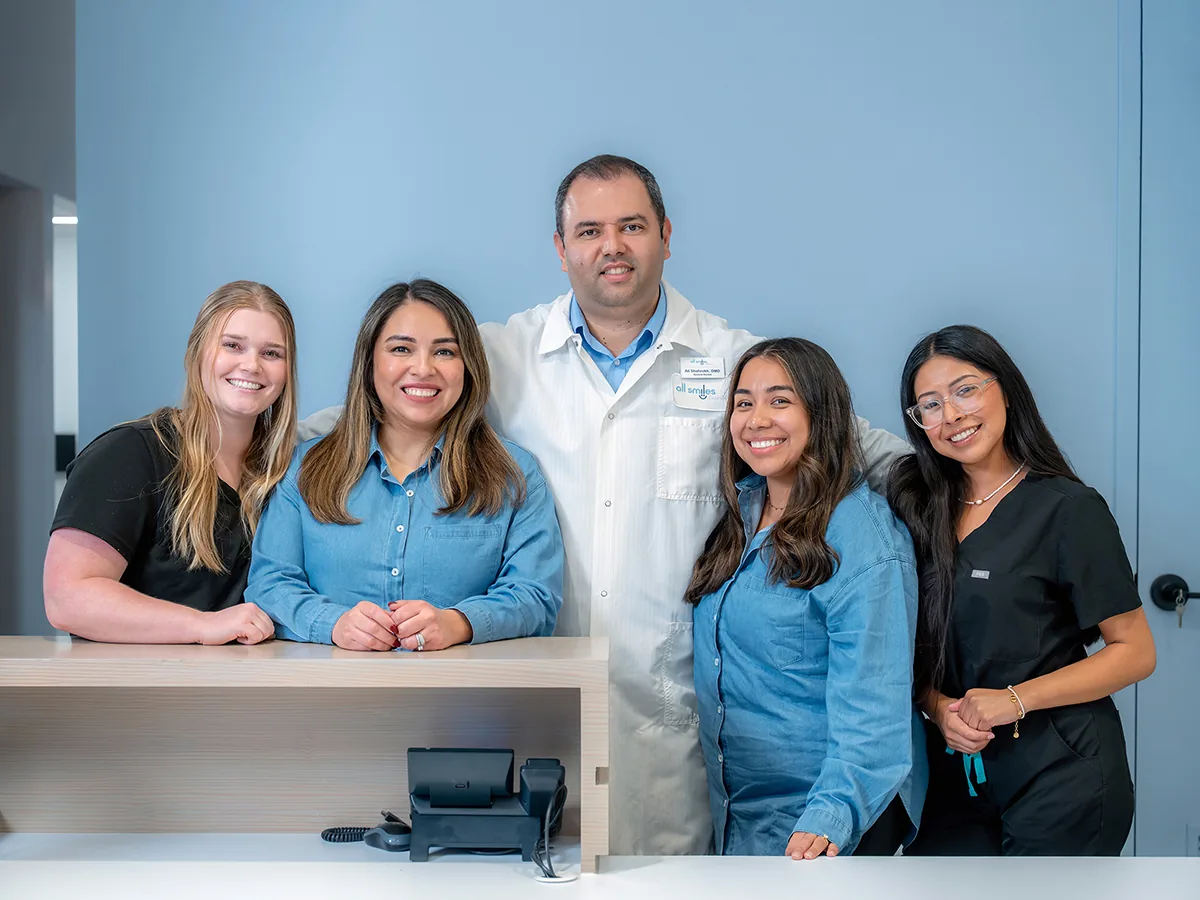 25+ Years of Care
Abscess A pocket of pus that forms at the end of the tooth root due to infection.
Endodontics The branch of dentistry specializing in root canal treatment.
Endodontist A dentist who specializes in root canal treatment.
Pulp The soft tissue inside the tooth that contains nerves and blood vessels.
Pulpectomy Complete removal of the infected or damaged pulp tissue.
Root Canal Therapy A procedure to remove infected or damaged pulp from inside a tooth.
Dental Dam A thin sheet of rubber used to isolate the tooth being treated.
Files Small instruments used to clean and shape the root canals.
Gutta-percha A rubber-like material used to fill the root canals.
Irrigation Flushing the root canals with disinfectant solutions.
Paper Points Absorbent paper tips used to dry the root canals.
Apicoectomy A surgical procedure to remove the tip of the tooth root.
Crown A dental restoration that covers the entire tooth, often placed after a root canal.
Necrosis Death of the pulp tissue.
Periapical X-ray An X-ray that shows the entire tooth, from crown to root.
Post and Core A support structure placed in the root canal to provide stability for a crown.
Tooth Sensitivity Increased sensitivity to hot, cold, or sweet stimuli, which can occur after a root canal.