
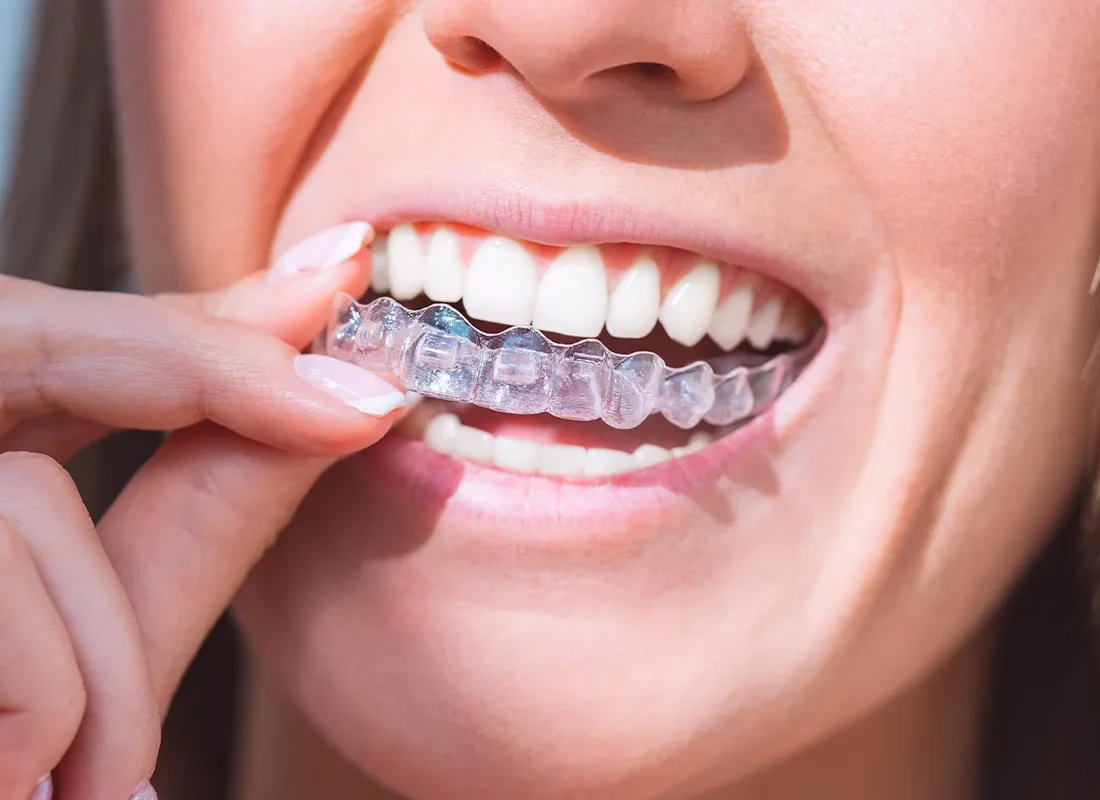
Daytime teeth clenching is a common habit you can learn to break.
Ever catch your jaw clenched tight in the middle of a workday? You are far from alone, and the fix really does start with just noticing it. If you keep catching yourself and wondering how to stop clenching my teeth during the day, awareness is the very first step. Bruxism is the clinical term for grinding or clenching your teeth, and the awake version usually means holding your jaw tight rather than grinding it back and forth. When the habit sticks around, TMJ and bruxism treatment can protect your teeth from wear and calm the strain building up in your jaw.
Key Takeaways
- Daytime clenching, also called awake bruxism, is usually driven by stress and intense focus.
- Awareness is your most powerful tool, since you can relax your jaw the moment you notice it.
- Common signs include a sore jaw, frequent headaches, and teeth that look worn or feel sensitive.
- Simple fixes include short breaks, slow breathing, and a “lips together, teeth apart” cue.
- Left alone, clenching can crack teeth, so TMJ and bruxism treatment is well worth it.
Why Do I Clench My Teeth During the Day?
More often than not, the culprit is simple stress. According to Johns Hopkins Medicine, tension, frustration, and deep concentration are among the most common triggers, and many people clench hardest right when they are locked in on a task. Unlike nighttime grinding, daytime clenching actually gives you an advantage, because you can catch it in the very moment it happens. That in-the-moment awareness is where lasting change really begins.
How Do I Stop Clenching My Teeth During the Day?
The best results usually come from stacking a few small habits together rather than relying on any single trick. Clenching builds slowly through the day, so the fix works the same way, in small corrections repeated often enough that they stick. None of these take special equipment or a big time commitment, which makes them easy to start today. Most people notice their jaw feels looser within the first week or two of staying consistent.
- Notice It First. Set a phone reminder or stick a note on your monitor to check in on your jaw. Each time you catch a clench, drop your shoulders and let your teeth part.
- Give Yourself A Cue. Quietly repeat “lips together, teeth apart” until it becomes your resting position. That one phrase keeps the jaw loose instead of gripping all day.
- Lower Daily Stress. Short breaks, slow breaths, and quick walks release the tension feeding the clench. A minute of resetting between tasks goes a long way.
- Relax The Muscles. Gentle stretches, a warm compress, and light massage ease muscles that tighten at a screen. Work them in a couple of times a day.
- Ask For Backup. A custom guard and a personalized plan protect your teeth and take pressure off the joint. A dental exam can also catch early wear you cannot feel yet.
Is Daytime Clenching Bad for Your Teeth?
Over time, unfortunately, yes, and the damage can quietly add up. All that repeated pressure can wear down enamel, crack teeth, and leave your jaw aching by the middle of the afternoon. It can also feed into TMJ trouble, including the clicking, locking, and facial pain that often come with it. The reassuring part is that the earlier you catch the habit, the easier it usually is to undo.
When Should You See a Dentist?
If your jaw regularly aches, your head keeps pounding, or your teeth are starting to look worn, it is a good time to check in. A custom guard, a few habit changes, and sometimes biofeedback can turn things around faster than most people expect. A short round of TMJ and bruxism treatment often prevents the kind of damage that later leads to crowns or bigger repairs.
Frequently Asked Questions
Can stress really cause teeth clenching?
Yes, stress is one of the most consistently reported triggers for both daytime and nighttime clenching. Managing it with regular breaks, breathing exercises, and a little movement usually cuts down on how often the clenching shows up.
Does a night guard help with daytime clenching?
It can, since a custom guard cushions your teeth and encourages your jaw to settle into a more relaxed position. It works best when you pair it with the awareness and stress habits that address why the clenching happens in the first place.
How long does it take to break the habit?
With steady awareness and the right support, many people notice noticeably less tension within just a few weeks. Deeper, long-standing habits take longer to fully unlearn, but the early progress usually starts surprisingly fast.
Finding Lasting Relief
Clenching is ultimately a habit, and habits can absolutely change with a little attention. With steady awareness and the right support, TMJ and bruxism treatment can bring real, lasting relief for both your teeth and your jaw.
- If you want to learn more about easing daytime clenching, visit our TMJ & Bruxism Treatment in Encinitas, CA, page or schedule a consultation.