
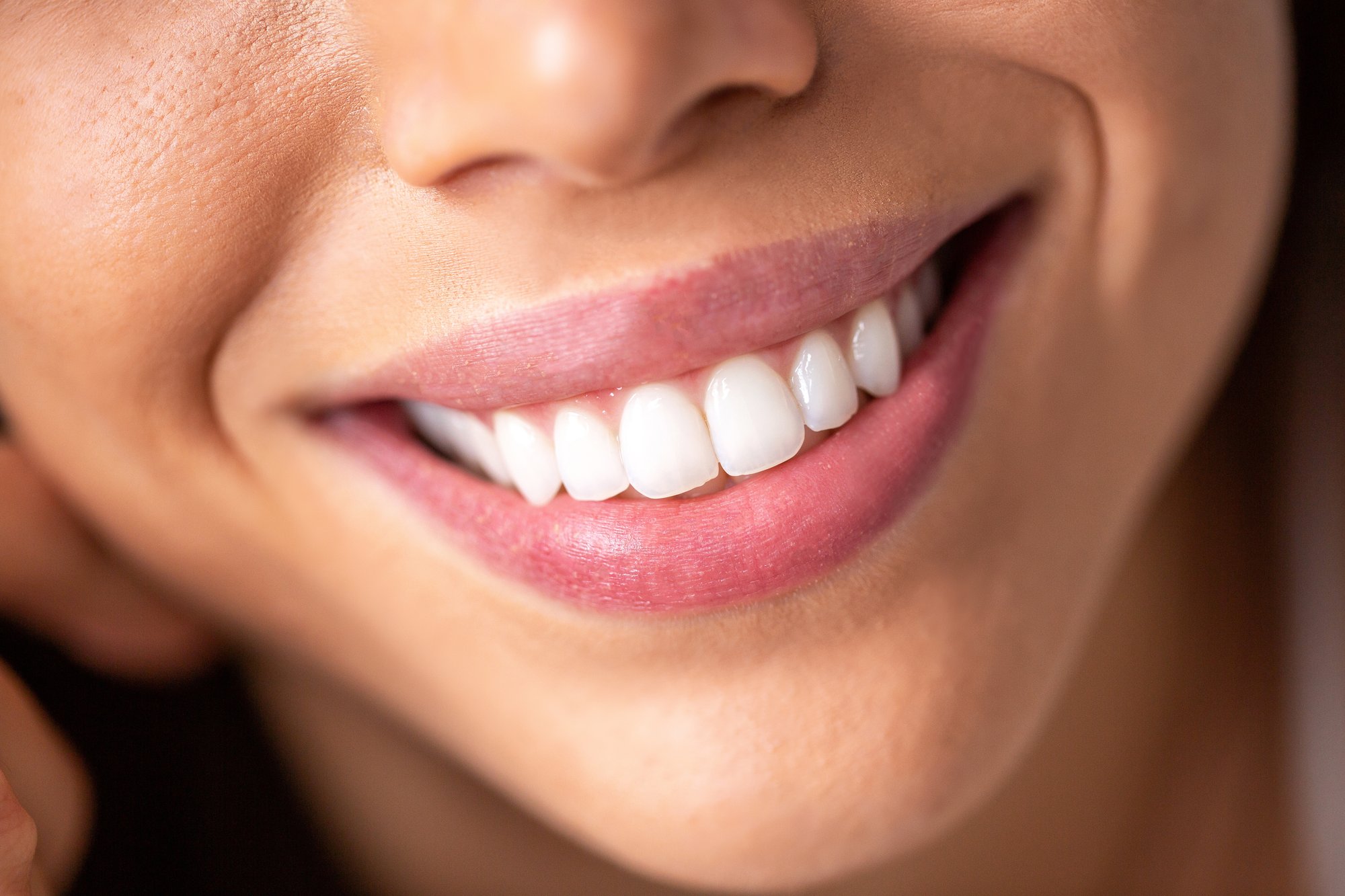
Professional whitening can last months to a few years, but daily habits speed up fading.
How long does teeth whitening last after all that effort? On average, results hold anywhere from a few months to about three years, depending on the method and your habits. Teeth whitening is a cosmetic treatment that uses a peroxide-based gel to lift stains and brighten enamel. Professional teeth whitening tends to last longer than store-bought kits, though everyday staining slowly dulls any result. Plenty of people want it to hold through beach season and sunset photos at Swami’s.
Key Takeaways
- Professional whitening can last from several months to three years. At-home kits fade sooner.
- Coffee, tea, red wine, and tobacco fade results fastest. Their pigments re-stain enamel.
- Enamel is most porous in the first two days. Staining foods do the most damage then.
- Touch-ups keep your smile bright. Most people refresh every six to twelve months.
- Good daily habits stretch results. Your dentist can plan a maintenance routine.
How Long Does Teeth Whitening Last?
The real answer is that it depends on a few things. As Healthline explains, at-home whitening products may last a few months, while professional treatments can keep teeth bright for up to two or three years. The type of whitening matters most, since stronger professional gels reach deeper and hold longer. Your daily habits then decide where you land in that range. Setting realistic expectations up front helps you stay happy with the result. Someone who avoids coffee and tobacco will keep results far longer than someone who does not. Two people can get the same treatment and see very different timelines. No whitening is permanent, so some fading is normal over time. Think of it like a fresh coat of paint that gradually weathers. With upkeep, though, you can slow that process considerably.
What Makes Whitening Fade Faster?
A handful of everyday things pull the color back out. Coffee, tea, red wine, dark sodas, and deeply colored foods are the biggest culprits, thanks to their pigments. Tobacco is especially harsh and can dull a bright smile within weeks. Acidic foods and drinks make it worse by roughening the enamel. Even a daily habit or two adds up faster than most people expect. Sipping through a straw helps more than you would think. Skipping regular brushing and cleanings lets those stains settle in and build up. Even everyday habits like a nightly glass of red wine add up. Small tweaks to your routine protect the results.
Why Do Teeth Re-Stain So Easily at First?
The days right after whitening matter more than most people realize. Whitening temporarily opens the tiny pores in your enamel, leaving it more absorbent than usual. Anything darkly colored in that window can stain quickly, which is why dentists suggest a light-colored diet for a day or two. Once the enamel settles, normal habits are safer again. That short window is the single best time to be careful. A little discipline early stretches your results for months. This is why dentists talk about a white diet in the first couple of days. Sticking to light-colored foods then pays off for months.
Does the Whitening Method Change How Long It Lasts?
It makes a big difference. In-office whitening uses the strongest gel under professional supervision, so it lasts the longest and works the fastest. Custom take-home trays fitted by your dentist give a gradual result you manage at your own pace. Whitening strips and toothpastes work slowly and tend to fade the soonest. They are handy for maintenance but are not built for dramatic change. Matching the method to your goal is half the battle. Your dentist can walk you through which fits your timeline and budget. That guidance saves money and disappointment down the line.
How Can You Make Whitening Last Longer?
A little maintenance keeps your results bright. Drink darker beverages through a straw, swish with water soon after, and hold off on dark foods right after treatment. Keep up with brushing, flossing, and regular cleanings to clear pigment before it sets. Occasional touch-ups from professional teeth whitening top up the brightness when it starts to dip. Rinsing after coffee is a tiny habit with a big payoff. Most people find a refresh every six to twelve months is plenty. Pairing that with steady home care keeps your smile consistent. Catching the fade early means a shorter, simpler touch-up. It is easier to maintain brightness than to start over from scratch.
Keeping Your Smile Bright Longer
So how long does teeth whitening last? Somewhere between a few months and a few years, with your habits doing much of the deciding. Professional teeth whitening gives you the longest head start, and simple daily care protects it from fading too fast.
- If you want to learn more about protecting your smile’s brightness, visit our Teeth Whitening in Encinitas, CA, page or schedule a consultation.